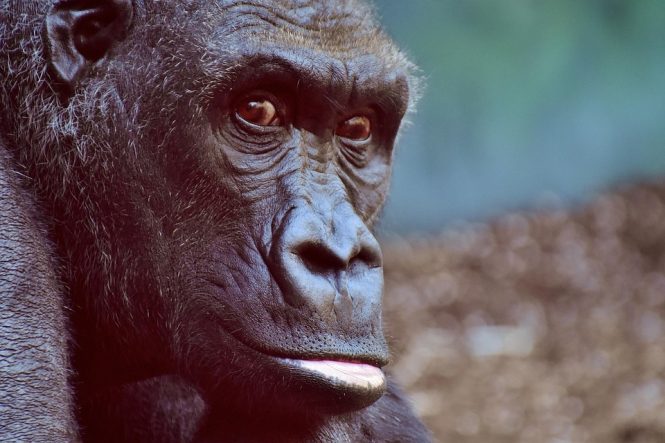
Zoos offer a unique opportunity to experience wildlife up close while capturing stunning photographs. Whether you’re an amateur enthusiast or a seasoned professional, navigating the intricacies of zoo photography can enhance your pictures of both the animals and their environments. Here are some pro tips to optimize your safari in the city.
1. Understand Your Equipment
Camera and Lenses
Invest in a good camera with interchangeable lenses for versatility. A telephoto lens (200mm or longer) is ideal for capturing animals from a distance. A macro lens can be used for detailed shots of plants and smaller creatures, while a wide-angle lens can create powerful landscape images.
Accessories
Don’t forget important accessories like a tripod (or monopod) for stability, especially in low light, and a polarizing filter to reduce glare from glass enclosures. Carry extra batteries and memory cards to avoid running out at crucial moments.
2. Timing is Everything
Go Early or Late
The best light for photography is during the golden hour—early in the morning or late in the afternoon. Animals are usually more active during these times, allowing for dynamic shots. The soft light during these hours also enhances colors and reduces harsh shadows.
Know the Animals’ Schedule
Research the zoo’s schedule for animal feedings, training sessions, or shows. Animals are often more active during these times, giving you a greater chance to capture intriguing behaviors.
3. Composition Techniques
Rule of Thirds
Use the rule of thirds to create balanced compositions. Position the focal point (like an animal or a tree) off-center to make your images more engaging.
Frame the Shot
Utilize natural framing techniques. Look for branches, enclosures, or pathways that can create a frame around your subject. This adds depth and context to your images.
Layering
Incorporate foreground, midground, and background elements. This technique can add dimensionality to your landscape shots, helping viewers feel as if they’re part of the scene.
4. Focus on Details
Capture Textures
Zoom in on textures and details like fur patterns, scales, or unique plant life. This can help convey the character of your subject and provide a more intimate perspective.
Candid Moments
Take your time and observe the animals. Patiently waiting for candid moments can yield the most heartwarming or striking images, such as animals playing, grooming, or interacting with each other.
5. Consider the Environment
Show Animal Habitats
Incorporate the animal’s surroundings into your shots. Highlighting natural settings can tell a story about the animal’s lifestyle and habitat requirements.
Mind the Background
Be aware of distracting backgrounds, such as fences or other visitors. Try to position yourself to minimize or eliminate these distractions. A shallow depth of field can also blur the background, emphasizing the subject.
6. Be Mindful of Lighting Conditions
Manage Reflections
Glass enclosures can create unwanted reflections. Adjust your angle and use a lens hood to minimize glare. If possible, shoot through gaps in the glass or netting.
Use Flash Wisely
Flash can distress animals and often won’t penetrate glass or mesh enclosures effectively. Use natural light whenever possible, but in darker areas, raise your ISO setting to maintain a fast shutter speed and avoid motion blur.
7. Ethical Considerations
Respect Animal Welfare
Remember that zoos aim to recreate natural habitats for their inhabitants. Be respectful and avoid disrupting animals during feeding times or rest periods. Always follow the zoo’s guidelines for where you can and cannot go.
Engage with Education
Utilize this opportunity to learn. Take the time to read about the animals and their stories. Understanding their natural behaviors and conservation status can enrich your photographic experience and motivate you to capture compelling images.
8. Post-Processing Magic
Edit with Care
Once you’ve captured your photographs, don’t forget the power of post-processing. A few simple adjustments in software like Adobe Lightroom or Photoshop can enhance colors, contrast, and sharpness.
Crop for Impact
Sometimes, cropping can create a more dynamic composition by removing unnecessary distractions and strengthening the visual focus.
Capturing the essence of wildlife at the zoo combines artistry, patience, and an understanding of both your equipment and your subjects. By following these tips, you can transform your zoo visit into a remarkable photography adventure. So grab your gear, head out, and remember: every click of the shutter is a chance to tell a story. Happy shooting!


