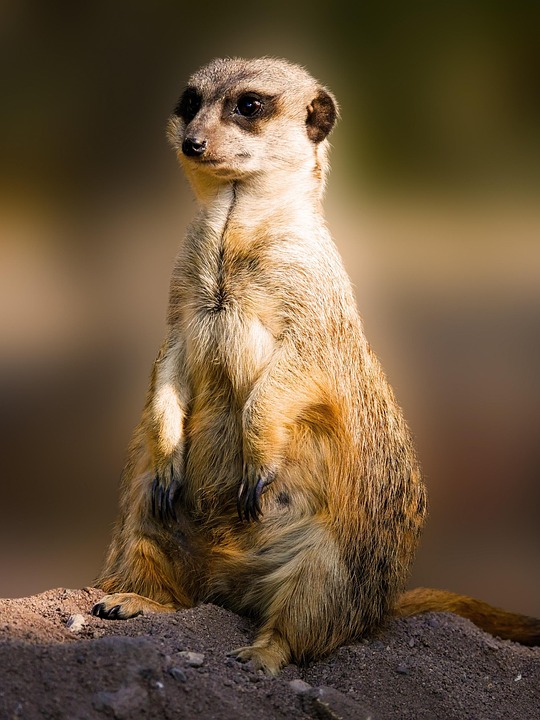
Visiting a zoo can be one of the most exhilarating experiences, offering a chance to see majestic animals up close. For many, it’s also an opportunity to capture these incredible creatures on camera. However, snapping great zoo photos can be challenging. Here are some easy photography tips for beginners to help you take stunning shots of your favorite animals.
1. Understand Your Camera
Before heading to the zoo, familiarize yourself with your camera, whether it’s a DSLR, mirrorless, or even a smartphone. Understanding settings like aperture, shutter speed, and ISO can significantly improve your photography.
Quick Tips:
- Aperture: Use a wide aperture (like f/2.8 or f/4) for blurred backgrounds, which will help the animal stand out.
- Shutter Speed: Opt for a faster shutter speed (1/500 sec or faster) to freeze action, especially for active animals.
2. Choose the Right Time
The best time to photograph animals is early in the morning or late in the afternoon when the light is soft and golden. This “golden hour” not only enhances the visual appeal but also helps to avoid harsh shadows that can detract from your photos.
Pro Tip:
Visit the zoo on a weekday if possible; it tends to be less crowded, allowing for a more relaxed photography experience.
3. Use a Telephoto Lens
While you can capture great photos with a standard lens, a telephoto lens (200mm to 400mm) makes it easier to photograph animals from a distance, especially those in enclosures. A longer focal length allows for better framing without disturbing the animals.
Important Note:
If you’re using a smartphone, consider investing in a clip-on telephoto lens for enhanced zoom capabilities.
4. Be Patient and Observant
Animals can be unpredictable, and sometimes it takes a while to capture the perfect shot. Patience is key. Spend time watching the animals’ behaviors and movements — wait for those moments when they exhibit engaging actions, such as playing, eating, or interacting with others.
Fun Tip:
Bring some snacks or a book to help pass the time while you wait for the ideal shot!
5. Focus on the Eyes
In wildlife photography, sharp focus on the eyes can create a captivating image. The eyes convey emotion and connection, drawing viewers into the photograph. Use single-point focus to ensure that the eyes are in sharp detail.
Technique:
Try to position yourself at the same eye level as the animal for a more intimate perspective.
6. Mind Your Background
A busy or distracting background can take away from the beauty of your subject. Look for areas where the background is more subdued and try to frame your shot to keep it clean and uncluttered. Natural surroundings, such as foliage or rocks, can enhance the photo.
Quick Trick:
Use a large aperture (small f-stop number) to blur the background, bringing attention to the animal.
7. Capture the Details
Don’t just focus on wide shots of the entire animal. Zoom in and capture the unique textures and patterns of their fur, feathers, or skin. Detail shots can tell different stories and provide a more rounded depiction of the wildlife.
Creative Idea:
Experiment with macro settings for close-ups of an animal’s features, like their paws or whiskers.
8. Experiment with Angles
Instead of shooting from eye level, explore different angles. Crouch down, shoot from above, or adjust your position to find a more interesting perspective. This can add depth and dynamism to your images.
Try This:
Don’t hesitate to include surrounding environments to provide context for your subjects, such as their enclosures or habitat.
9. Learn Animal Behavior
Before your zoo visit, do a bit of research on the animals you want to photograph. Understanding their habits and natural behaviors will help you anticipate great moments to capture.
Takeaway:
Don’t forget to observe, as sometimes the most picturesque moments happen when you least expect them.
10. Practice Respectful Photography
Always respect the animals’ space. Avoid making loud noises or sudden movements that could startle them. Follow zoo rules and guidelines on photography to ensure a safe and enjoyable experience for both you and the animals.
In conclusion, zoo photography is a rewarding and enjoyable hobby that allows you to express your creativity while connecting with the animal kingdom. Armed with these tips, beginners can capture beautiful images that celebrate the majesty of wildlife. Happy snapping!


