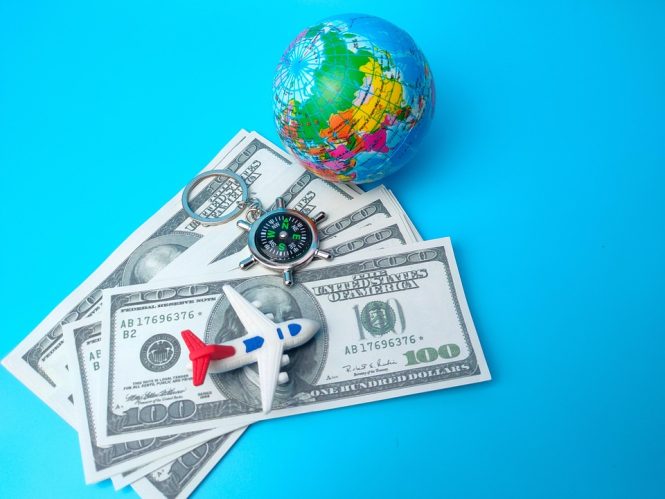
In recent years, the travel landscape has experienced significant shifts, influenced by evolving consumer behaviors, technological advancements, and global events. Among these trends, one phenomenon is particularly striking: the resurgence of last-minute travel. As travelers seek spontaneity, flexibility, and unique experiences, the appeal of booking trips on a whim is seeing a revival. Here’s a look at the factors driving this trend and what it means for the future of travel.
The Rise of Spontaneity
For many, the pandemic served as a wake-up call, emphasizing the importance of living in the moment. Restrictions and uncertainty during global lockdowns led to a desire for personal fulfillment through travel—a yearning to explore new destinations and embrace spontaneity. As restrictions eased, people found themselves eager to book last-minute trips, seeking instant gratification and the thrill of adventure without meticulous planning.
Technology: Making It Easier
Advancements in technology have played a crucial role in facilitating last-minute travel. Mobile apps and online platforms provide travelers with instant access to flights, accommodations, and experiences. With just a few taps, users can compare prices, read reviews, and secure bookings. This accessibility means that last-minute travel is not only possible but also often more affordable.
Additionally, airlines and hotels have optimized their pricing strategies to attract spontaneous travelers, offering flash sales and limited-time deals that make last-minute bookings enticing. The rise of “day-of” deals and last-minute packages means that travelers can take advantage of competitive prices without sacrificing quality.
The Shift in Work Culture
The work-from-home trend that took flight during the pandemic has also influenced last-minute travel. With more flexibility in work schedules, many individuals can easily pick up and go without the constraints of a rigid office schedule. Remote work has created a culture where employees can work from anywhere, making spontaneous weekend getaways or mid-week escapes feasible.
This shift extends to businesses as well; companies are increasingly supportive of their employees taking “mental health days” or mini-vacations to recharge, influencing a culture that embraces flexibility and adventure.
The Demand for Unique Experiences
Today’s travelers are prioritizing unique experiences over traditional sightseeing. There’s a growing desire to explore lesser-known destinations, engage with local cultures, and seek out authentic adventures. Last-minute travel facilitates this, allowing travelers to discover unexpected gems that may not have made it onto their itineraries initially.
This trend is also bolstered by social media, where posts from friends and influencers inspire wanderlust and spur individuals to take spontaneous trips. The urge to capture and share experiences has made the idea of last-minute travel increasingly appealing.
Economic Considerations
Economic factors also play a crucial role in the resurgence of last-minute travel. As the cost of living rises, many travelers are looking for ways to save money without sacrificing their travel experiences. Last-minute deals can often present significant savings. In this context, being open to spontaneity in travel can enhance affordability, making it a strategic choice for budget-conscious travelers.
Sustainability and Short Trips
The environmental impact of travel is becoming an increasingly pressing concern for many individuals. Last-minute travel often involves shorter trips, reducing the carbon footprint associated with long-haul flights and extended vacations. This shift towards local travel and “staycations” not only supports local economies but also resonates with environmentally conscious travelers.
Conclusion
The comeback of last-minute travel highlights a transformative era in the travel industry, driven by consumer desires for spontaneity, flexibility, and unique experiences. As technology continues to simplify the booking process and work cultures evolve, the opportunities and allure of spontaneous travel are likely to grow. For both travelers and the industry, embracing this trend could lead to a more vibrant, accessible, and enjoyable travel landscape in the years to come. So, whether it’s a weekend road trip or a spur-of-the-moment flight, the joy of last-minute travel is back, and it’s here to stay.


